


Cold Storage Automation Tips for More Efficient Pallet Handling
Cold storage operations face constant pressure to balance temperature control, energy use, storage density, labour availability and product movement. Every unnecessary forklift movement, door opening or personnel entry can increase heat ingress and place additional pressure on refrigeration systems.
For food producers, cold stores, logistics providers and temperature-controlled warehouses, cold storage automation can help improve pallet movement, reduce manual handling and support more stable operating conditions.
Below are practical cold storage automation tips for improving efficiency, safety and pallet flow.
Reduce Heat Exchange and Energy Loss
Heat exchange is one of the biggest operational challenges in cold storage. Temperature differences between chilled, frozen and ambient areas can create significant energy loss if pallets move through poorly controlled openings or if doors are left open too long.
Cold storage operators should regularly assess door seals, building condition, traffic flow and transfer points between temperature zones. Dual-acting doors, properly maintained seals and controlled pallet transfer areas can help reduce unnecessary heat ingress.
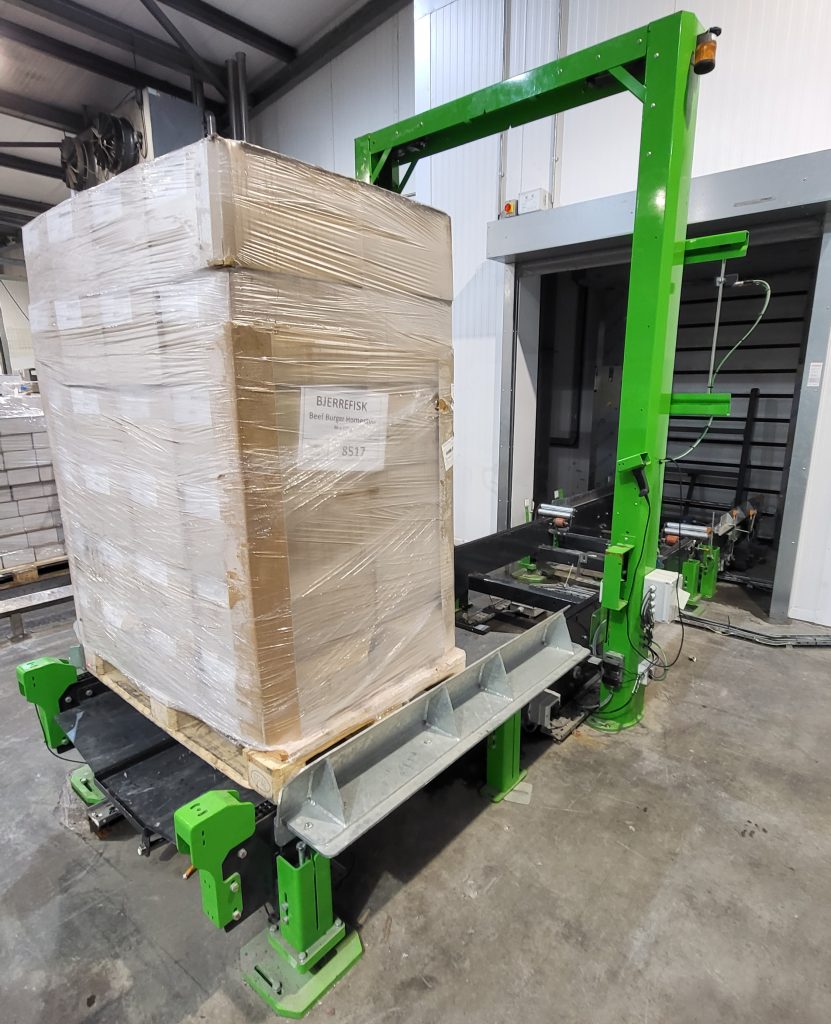
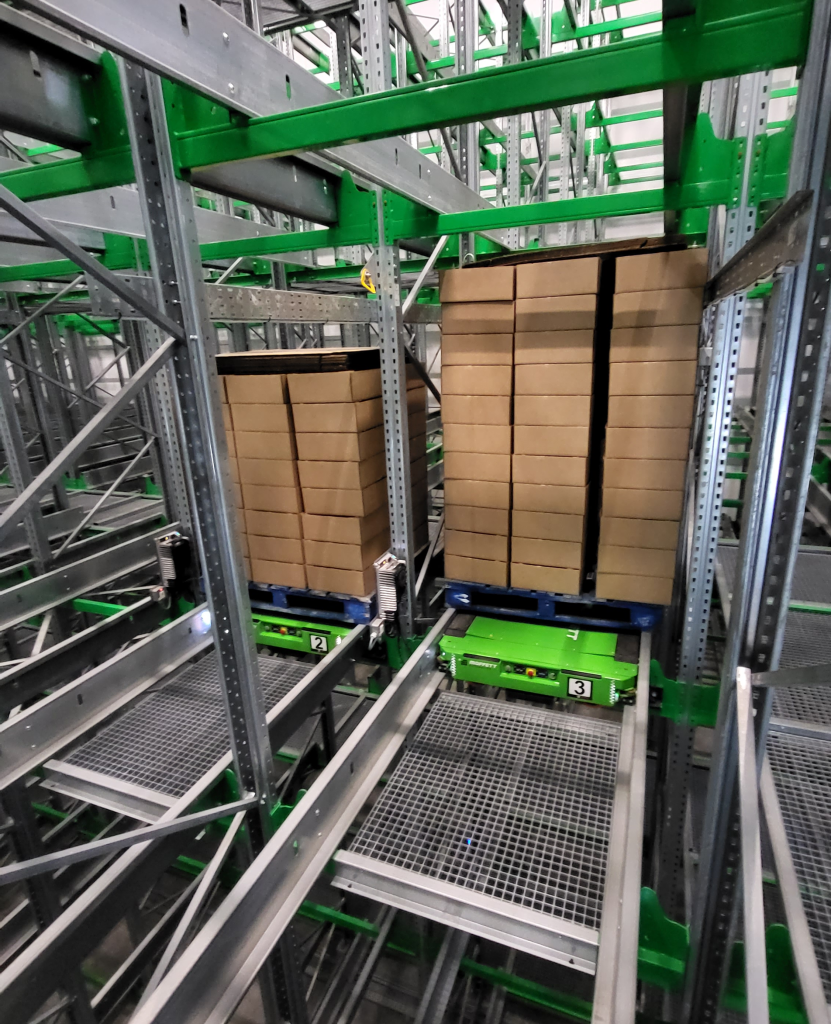
Automated conveyor systems and pallet shuttle systems can also reduce the need for forklifts to enter and exit sealed areas. By reducing door openings and limiting manual pallet movement, cold storage facilities can support more stable internal temperatures and reduce refrigeration load.
Use Automation to Reduce Forklift Entry
People, forklifts and lighting all generate heat. In chilled and frozen environments, this can make refrigeration systems work harder and increase energy demand.
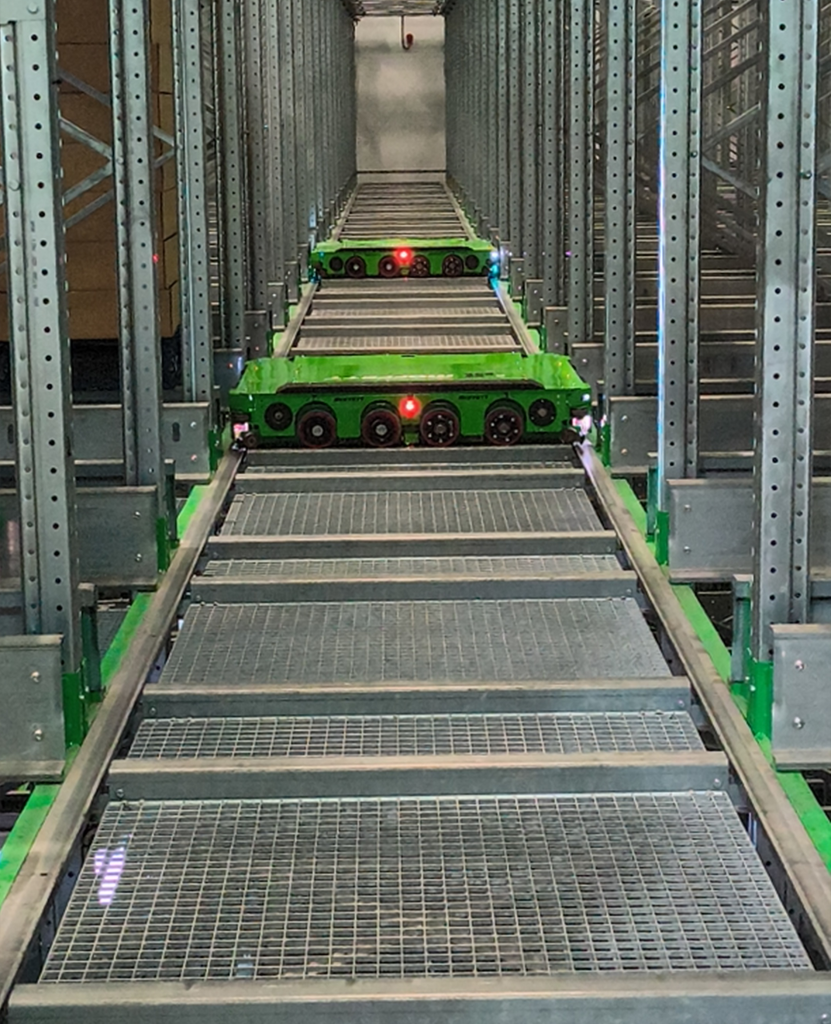
Automated pallet storage helps reduce forklift entry into cold aisles by moving pallets through controlled storage and retrieval processes. This can reduce manual handling, improve safety and limit the amount of time people need to spend in low-temperature areas.
Automation can also help address labour availability and operator safety challenges. In freezing environments, workers require protective equipment, warming areas, training and controlled exposure times. Reducing unnecessary manual activity in cold areas can support safer and more efficient operations.
Maximise Storage Density
Efficient cold storage depends on using available space properly. Cold storage space is expensive to build, maintain and operate, so every pallet position matters.
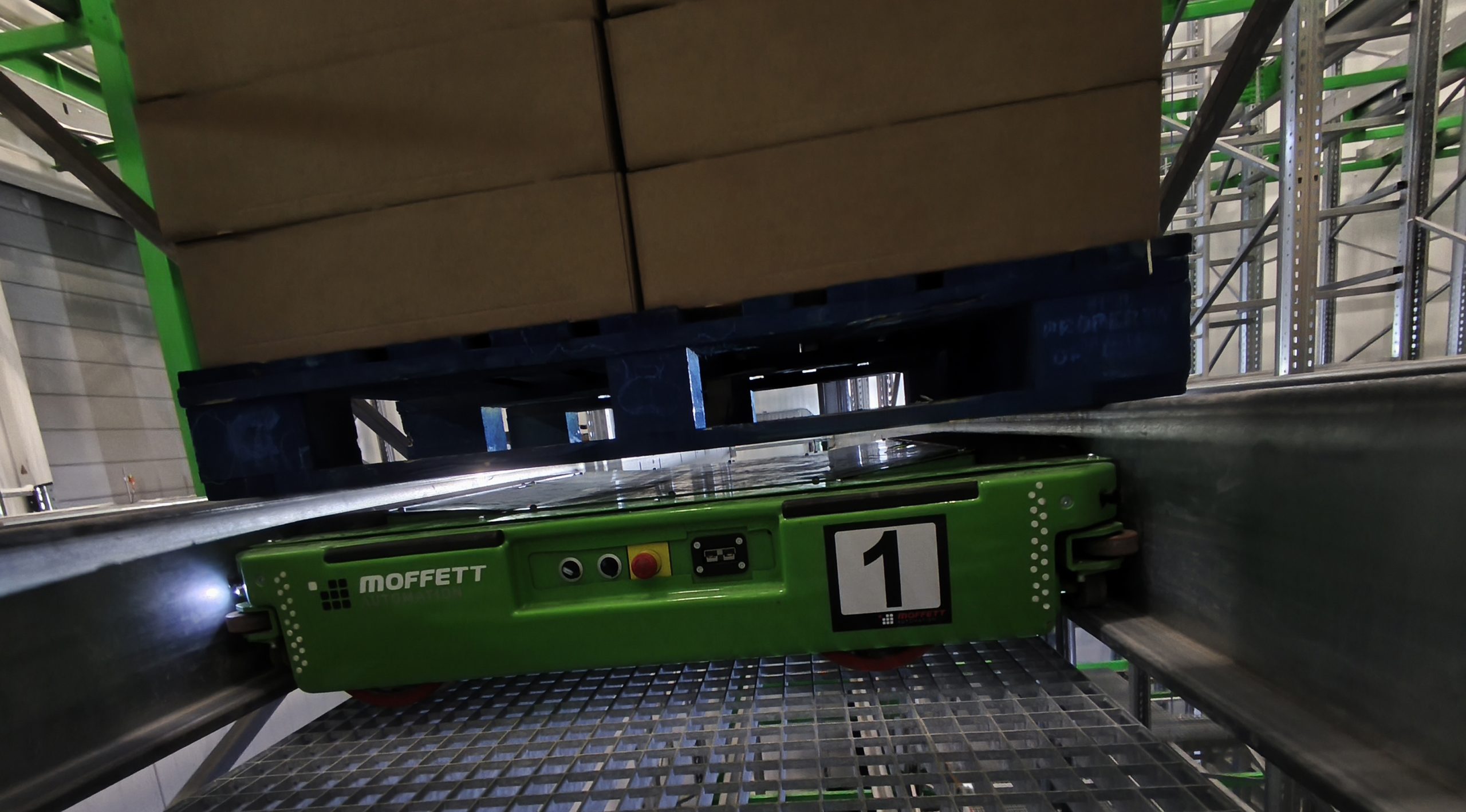
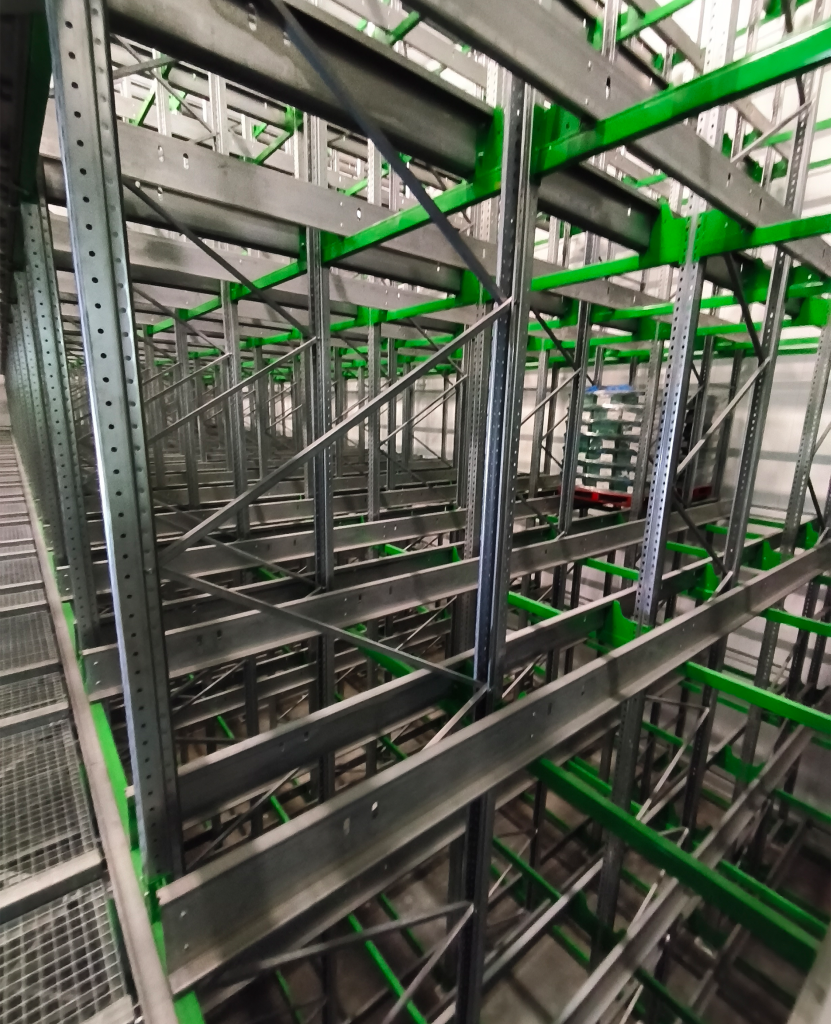
Automated pallet storage systems can help facilities use more of the available height and depth within the warehouse. By combining high-density racking, pallet shuttle movement, vertical transfer units and warehouse control software, operators can increase pallet capacity without unnecessary building expansion.
The goal is not simply to store more pallets. It is to increase storage density while maintaining controlled pallet access, reliable throughput and safe movement through the system.
Segment the Warehouse by Temperature and Product Flow
Cold storage operations often handle different product types with different temperature requirements. For example, chilled goods, frozen goods and temperature-sensitive ingredients may all require separate handling conditions.
Segmenting the warehouse into clear temperature zones can help reduce energy waste and improve product flow. It also allows operators to close off or reduce activity in certain areas during quieter periods, helping lower operating costs.
Warehouse zoning should be planned around product type, pallet movement, picking requirements, dispatch flow and energy efficiency. Automation can support this by routing pallets through the right zones and helping reduce unnecessary movement between temperature areas.
Maintain Cold Storage Infrastructure
Cold storage automation is most effective when the building and refrigeration infrastructure are properly maintained. Door seals, condenser units, evaporator coils, building fabric, floor condition, lighting and temperature monitoring all affect efficiency.
Regular inspection schedules should involve refrigeration contractors, warehouse managers, production teams and maintenance staff. Routine checks help identify issues before they become operational problems.
Lighting should also be reviewed. In some cold storage environments, switching to efficient lighting and reducing unnecessary personnel access can help lower heat generation and improve energy performance.
Keep Your Cold Storage Moving with Moffett Automation
Moffett Automation designs automated pallet storage systems for cold storage, food production and temperature-controlled warehouse operations.
The Moffett Automation system combines pallet shuttle technology, vertical transfer units, conveyors, racking and Moffett Automation WCS™ software to move pallets safely and efficiently through storage, picking, buffering and dispatch processes.
For cold storage environments, automated pallet movement can help reduce forklift entry, limit heat ingress, improve storage density and support safer, more controlled operations.
To discuss cold storage automation for your facility, contact Moffett Automation.
Discuss Your Cold Storage Automation Project
Speak to Moffett Automation about your cold-store layout, pallet profile, throughput targets, temperature requirements and software integration needs. Our team can help assess where automated pallet storage could improve density, reduce forklift entry and support safer cold storage operations.
